Inside the Batch Plant: A 15-Point Due-Diligence Walkthrough for U.S. Buyers of Turkish Concrete
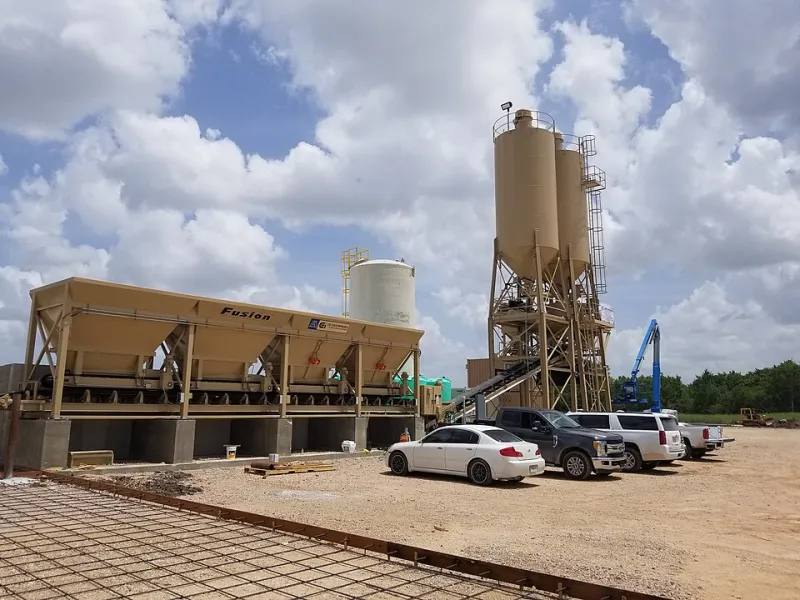
Photo: MichaelM314, CC0, via Wikimedia Commons
A factory tour is not due diligence. It is theater unless the buyer arrives with questions, asks for records, and watches how the plant answers. For American contractors evaluating a Turkish concrete supplier, the batch plant is the best place to separate a polished capability deck from a controlled production system. The visit should test calibration, aggregate handling, moisture control, dispatch, quality staffing, and redundancy. Below is a 15-question walkthrough organized for a single site visit.
Why a Plant Visit Beats a Capability Deck
Brochures show mixers and silos. They do not show whether the scale was calibrated last month, whether the sand pile is segregated, or whether the QC manager has authority to reject a truck. A plant visit gives the buyer evidence. The rule for the day is simple: if the answer is a promise, ask for the record.
Calibration and Measurement
1. When were the batching scales and admixture meters last calibrated, and can I see the certificates? Look for traceable calibration, not just a date written on a sticker. Ask who performs the calibration and how often.
2. How do you verify cement and SCM weighments during a shift? A serious plant should describe zero checks, test weights, and the frequency of verification. Daily verification is better than annual calibration alone.
3. What is your moisture-probe calibration schedule, and how do you cross-check it? Probes drift. Ask how often the plant compares probe readings with oven-dry samples and who signs off on the correction.
4. How do you control admixture dosing and temperature? Admixtures are small in volume and large in effect. Ask about flow meters, calibration, storage temperature, and what happens when a dosing line fails.
Aggregate Handling and Segregation
5. May I see the stockpile layout, drainage, and separation between materials? Look for physical bays, covered storage where appropriate, and clear separation between sources. Ask how rainwater is managed.
6. How do you prevent segregation during loading and charging? The answer should mention loader technique, pile management, and charging sequence. If the plant relies on a single pile fed from the base, ask how fines are controlled.
7. What is your aggregate turnover, and how do you notify customers of a source change? Old stock and new sources behave differently. Ask for a notification protocol and a sample of a past notice.
Batching, Dispatch, and Traceability
8. Show me a batch ticket from yesterday and trace it to a delivery. The ticket should connect mix design, actual weights, moisture corrections, admixtures, mixer, truck, time, and destination. If the trail breaks at dispatch, traceability is incomplete.
9. How does dispatch sequence trucks and manage slump adjustments? Ask whether adjustments happen at the plant under QC control or at the site. Site water addition without records is a red flag for architectural and structural work alike.
10. What happens when a mixer, conveyor, or batching line goes down? Capacity is not the same as redundancy. Ask for the backup plan, the switchover time, and the last time it was tested.
11. How do you handle rejected loads and returned concrete? The plant should have a written procedure that isolates rejected material and prevents it from re-entering production. Ask to see the log.
Quality Staffing and Documentation
12. Who is on the QC staff, what are their qualifications, and how are shifts covered? A plant that runs multiple shifts needs QC coverage beyond day shift. Ask who has authority to stop a batch.
13. What records are retained, for how long, and in what format? Batch tickets, calibration records, test reports, and complaint investigations should be retrievable. Ask for a sample retention schedule.
14. How do you investigate a color, strength, or delivery complaint? Look for a corrective-action process, not an apology. Ask for a redacted example of an investigation and the resulting change.
15. What redundancy exists for power, water, and key materials? Generators, water storage, and alternate material sources matter when a project cannot wait. Ask which redundancies are owned and which are contracted.
Turning Answers Into a Score
Do not rely on impressions. Score each answer on evidence, not eloquence: documented and demonstrated, documented but not demonstrated, verbal only, or absent. A plant that scores well on calibration and traceability but poorly on redundancy may still be a fit for a project with schedule buffer. A plant that cannot produce calibration records or batch traceability is a risk regardless of price.
The visit should end with a short list of follow-up records. If the supplier cannot provide them within a reasonable window, that is itself an answer. For U.S. buyers, the plant visit is not a courtesy. It is the moment when capacity claims become either evidence or noise.