Five Shipping Realities No One Tells You Before Your First Overseas Concrete Order
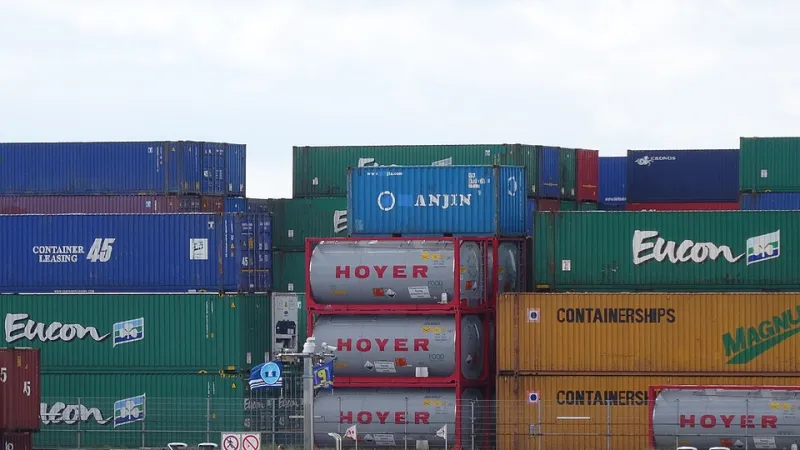
Photo: AgainErick, CC BY-SA 4.0, via Wikimedia Commons
Every year, a new wave of American contractors discovers that sourcing concrete materials from Istanbul is commercially compelling: premium formulations, favorable pricing, and engineering documentation that often outclasses domestic alternatives. And every year, some of those same contractors stumble—not on quality, but on logistics.
The materials are rarely the problem. The shipping plan is. Here are the five realities that separate smooth first orders from expensive lessons.
1. Transit Time Is Not Delivery Time
The mistake: Assuming ocean freight from Istanbul or nearby Mersin to a US East Coast port means two to three weeks door to door. Realistic transit—loading, ocean crossing, port clearance, and inland drayage—typically runs five to seven weeks.
The fix: Work backward from your pour date and add a 20% buffer. Veteran importers treat the ocean leg as a planning constant, not a variable to be optimized later.
2. Moisture Management Starts at the Plant, Not the Port
The mistake: Treating cementitious materials like any other dry commodity. Humidity exposure during ocean transit can degrade pre-blended mixes and admixture stability if packaging is inadequate.
The fix: Confirm your supplier ships in moisture-barrier packaging—sealed super sacks with liners or lined containers—and verify container desiccant protocols in writing. Reputable Turkish exporters do this by default; it should cost you nothing but a question.
3. Customs Paperwork Is a Checklist, Not a Mystery
The mistake: Assuming international materials procurement requires a customs broker army and months of preparation. First-timers overcomplicate the process and delay their own shipments.
The fix: The core documents are a commercial invoice, packing list, bill of lading, certificate of origin, and mill or batch certificates. Turkish suppliers familiar with US clients provide these routinely. Engage a licensed customs broker early, confirm HTS classifications in advance, and the clearance process is measured in days.
4. Lead-Time Math Changes Your Whole Bid
The mistake: Building a bid around domestic delivery assumptions and treating international lead time as a pure penalty. This makes overseas sourcing look worse than it is.
The fix: Do honest math. A six-week lead time on materials that arrive with superior performance documentation, lower unit cost, and batch-level traceability often beats a five-day domestic lead time on material that will trigger rework. Forward-looking contractors now stage orders earlier and price the certainty into their bids.
5. Order Size Determines Everything
The mistake: Placing a sample-size trial order, then a full order, then discovering the freight economics of small shipments erase your margin advantages.
The fix: Container loads are the economic unit of international materials shipping. Plan your first full container order around a realistic project phase—footings, a deck pour, a precast run—and consolidate SKUs where possible. One container, one customs event, one inland delivery.
The Bottom Line
None of these realities is a barrier; all of them are planning items. Contractors who treat international sourcing as a logistics discipline rather than an improvisation consistently report that their second order is dramatically easier than their first. The materials will meet the spec. The question is whether your schedule was built to let them.