The FX Clause and the Pour: Aligning Concrete Payments With Ocean Freight Risk
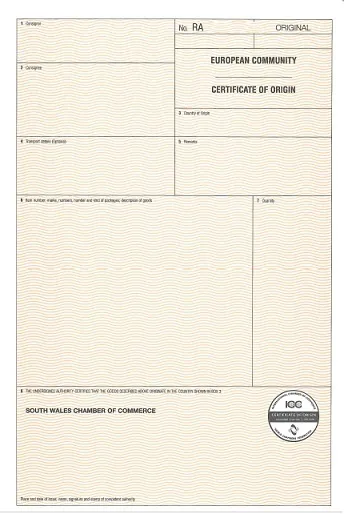
Photo: Customdesk, CC BY-SA 4.0, via Wikimedia Commons
A concrete quote from Istanbul can look simple on one page: cubic meters, mix design, unit price, delivery term. The financial structure behind that quote is rarely simple. Two currencies, an ocean freight schedule, inspection milestones, and a supplier relationship that spans legal systems all sit between the purchase order and the first placement.
For U.S. contractors, the central question is not only what the concrete costs. It is who carries the financial risk at each stage, and how that risk is released as physical progress is verified. A payment schedule that ignores shipping and inspection milestones can leave the buyer exposed long before the material is on site.
Start With the Physical Sequence
The payment terms should follow the real sequence of the order: quotation, engineering and mix approval, raw material procurement, batching, pre-shipment inspection, loading, ocean transit, customs clearance, delivery, and site acceptance. Each stage has a document that can verify it. The contract should connect money to those documents rather than to calendar dates alone.
A common mistake is to negotiate price and delivery first and treat payment terms as an afterthought. In cross-border concrete procurement, payment terms are part of the technical scope. They determine whether the supplier has the working capital to reserve production slots, whether the buyer has leverage if inspection fails, and whether currency movements erase the savings that justified the order.
Letters of Credit: The Backbone, Not the Whole Spine
A letter of credit can provide security to both parties. Under UCP 600, the issuing bank pays against complying documents, not against the buyer’s subjective satisfaction. That is its strength and its limitation. If the documents are correct, payment is made even if the buyer later discovers a commercial dispute. If the documents contain discrepancies, payment can be delayed while the parties resolve them.
For a Turkish concrete order, the letter of credit should specify the documents precisely: commercial invoice, packing list, bill of lading, certificate of origin, inspection certificate, and any test reports or quality certificates required by the project. The description of goods should match the proforma invoice and the shipment documents. Small inconsistencies in product description or quantity can create large delays.
The buyer should also understand the cost. Letter of credit fees, confirmation charges, and document handling costs belong in the total landed-cost calculation. A letter of credit is not free insurance. It is a payment mechanism with its own operational discipline.
Milestones That Match Physical Progress
A well-structured schedule releases payment as risk transfers. A modest deposit may be appropriate to reserve production capacity, but it should be limited and secured. The next payment can be tied to approval of mix design and inspection hold points. A further payment can be released against a clean bill of lading or loading confirmation. Final payment should follow arrival and site acceptance, or at least the completion of agreed acceptance tests.
Retainage is less common in overseas material purchases than in domestic construction subcontracts, but a final acceptance holdback can still serve a purpose. It gives the buyer time to verify quantity, condition, and conformity after delivery. The supplier may resist a large holdback, especially on a first order. A smaller holdback tied to a short acceptance window can be a workable compromise.
Deposit Exposure and Supplier Security
Advance payment is the buyer’s weakest position. Once funds leave the U.S. bank, recovery depends on the supplier’s performance and the legal remedies available in the supplier’s jurisdiction. For that reason, a large deposit should be supported by an advance payment guarantee, a performance bond, or a parent company guarantee where appropriate.
The form of the guarantee matters. A guarantee that is difficult to call, or that requires a lengthy local court process, may provide little practical comfort. Trade counsel and the issuing bank should review the wording before the first payment.
FX Risk Is a Contract Term
The quotation currency may be U.S. dollars, euros, or Turkish lira. Each choice shifts risk. If the contract is priced in lira and paid in dollars, the exchange rate at payment can change the effective price. If it is priced in dollars but the supplier’s costs are in lira, the supplier may seek a currency adjustment clause or simply price in a risk premium.
The contract should state the currency of account, the currency of payment, the exchange-rate source, and the date on which the rate is fixed. It should also state who bears the risk of movement between those dates. A fixed-price contract in a volatile currency pair may be attractive to the buyer but unsustainable for the supplier. A transparent adjustment mechanism may be more durable than a headline price that cannot be honored.
Where the exposure is material, forward contracts or currency options can hedge the risk. Those instruments have costs and administrative requirements. They are not a substitute for a clear contract term.
Aligning Payment With Shipping and Inspection
The bill of lading is a milestone, not a finish line. It proves loading, not conformity. The payment schedule should distinguish between shipment and acceptance. Pre-shipment inspection can verify quantity, marking, and batch documentation before the vessel sails. Post-arrival inspection can verify condition and conformity after discharge.
A practical structure might combine a deposit against a bank guarantee, a payment against a clean pre-shipment inspection certificate, a payment against the bill of lading, and a final payment after arrival and acceptance. Each release should have a defined document package and a defined review period. Ambiguity in either invites dispute.
A Practical Term Sheet
- State the currency of account and the currency of payment separately.
- Define the exchange-rate source and the date of fixation.
- Limit the advance deposit and secure it with a callable guarantee.
- Tie progress payments to inspection, loading, and shipping documents.
- Reserve final payment for arrival and site acceptance.
- Include a clear document package for each payment release.
- Review the terms with trade counsel and the issuing bank before signing.
The pour itself may last a morning. The financial structure around it lasts for months. American contractors who treat payment terms as part of the concrete specification, rather than as a back-office detail, are better positioned to capture the savings of Turkish sourcing without absorbing risks they never priced.