The Learning Curve Starts at the Chute: Field Training for Imported Turkish Concrete
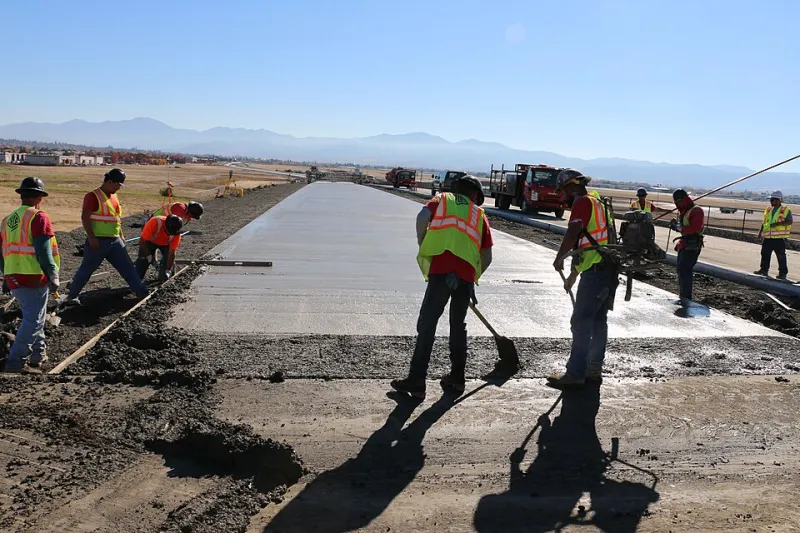
Photo: Oregon Department of Transportation, CC BY 2.0, via Wikimedia Commons
The first hundred yards of any concrete placement teach a crew more than a specification ever will. That is true for domestic ready-mix, and it is especially true when the concrete arrives from an Istanbul batch plant under a mix design that may look familiar on paper but behave differently at the chute.
The risk is not that Turkish concrete is inferior. The risk is that a U.S. crew will place it with domestic habits. Workability, bleed, set time, finishing windows, and tool response can differ enough that a crew trained on local mixes may misread the material. The solution is not a longer specification. It is a deliberate field-learning process before the structural pours begin.
Orientation Before the First Truck
The pre-pour orientation should include the superintendent, foreman, finishers, pump operator, testing technician, and the supplier’s technical representative if available. The agenda should be short and practical: the mix design, the expected set behavior, the approved admixture package, the discharge temperature range, the finishing window, and the curing requirements.
Bring the actual mix submittal and the batch ticket format. Walk through what the crew will see on the ticket and what the supplier expects the field to verify. Clarify who can authorize a field adjustment and who cannot. In most cases, water addition at the chute should be prohibited unless the supplier and engineer approve a specific procedure.
The Mock Pour Is a Calibration Exercise
A mock pour is not a formality. It is the crew’s chance to calibrate its eyes and hands to the material. The mock section should be large enough to practice placing, consolidating, screeding, floating, and troweling, but small enough to manage if something goes wrong.
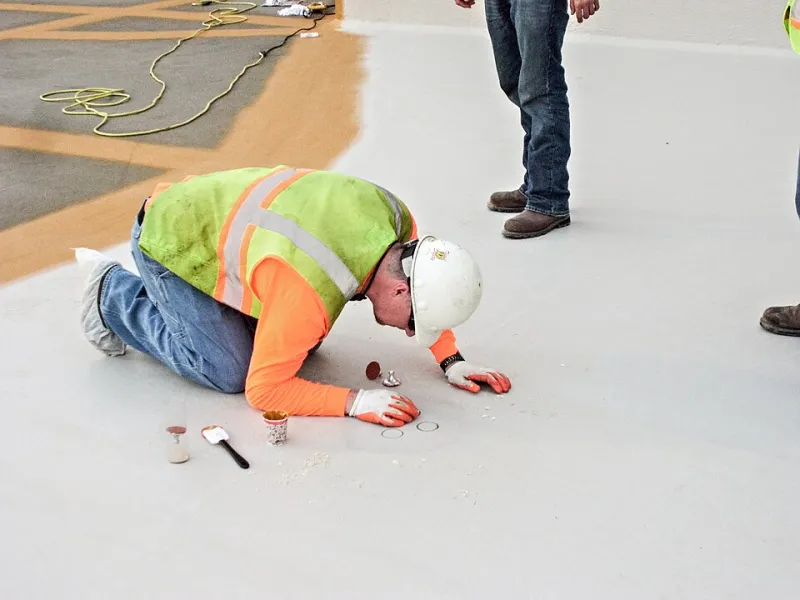
During the mock pour, record the time from discharge to initial set, the time from screeding to finishing, and any signs of bleed or crusting. Test slump or slump flow at the truck, not after the concrete has been sitting in the pump hopper. Note how the mix responds to vibration and whether the surface closes cleanly. Photograph each stage and attach the photos to the field report.
Workability Is Not a Water Problem
Imported Turkish mixes may be more cohesive or more sticky than the domestic mixes a crew is used to. A mix that looks stiff at the chute may still be placeable with proper vibration. A mix that looks wet may segregate if over-vibrated. The field response should be based on the approved mix design and the supplier’s recommendations, not on a reflex to add water.
If workability needs adjustment, the supplier should authorize the method. That may mean a specific admixture dosage, a revised batching sequence, or a change in discharge temperature. The field should document the request, the approval, and the result. A verbal adjustment with no record is a dispute waiting to happen.
The Finishing Window Moves
Finishing crews rely on timing. On a familiar domestic mix, they know when to float and when to trowel. On an imported mix, the window may open earlier or later, and it may close faster. Bleed water may be minimal, which changes how the surface is worked. Crusting may occur before the concrete has enough strength for finishing.
Use the mock pour to establish a practical finishing sequence. Train the finishers to test the surface with the approved method rather than by habit alone. If the mix includes supplementary cementitious materials, early finishing may need to wait longer, while hot or windy conditions may shorten the window. The field plan should account for both.
Tooling and Crew Adjustments
Small tooling changes can make a large difference. A crew may need a different screed technique, a different float, or a different vibration pattern to suit the mix. Pump operators should understand the mix’s cohesion and how it moves through the line. Finishers should know whether the surface will tolerate a power trowel at the usual time or whether a delay is needed.
The superintendent should assign a small group of crew leaders to own the learning process. Those leaders become the reference point for the next pour. Their notes should be shared with the wider crew, not kept in a single foreman’s notebook.
Feedback to the Istanbul Supplier
The feedback loop is what turns a first placement into a better second placement. The field team should send the supplier a short daily report: batch ticket numbers, discharge temperature, slump or flow results, set-time observations, finishing notes, weather conditions, and photographs of any anomalies. The supplier can use that information to adjust the next batches, refine admixture recommendations, or flag a trend before it becomes a problem.
The report does not need to be long. It needs to be consistent. A one-page form completed after each of the first five pours is more useful than a detailed narrative written after a month.
A Field Learning Checklist
- Hold a pre-pour orientation with the crew, testing technician, and supplier representative.
- Conduct a mock pour and record set, finishing, and curing observations.
- Prohibit unauthorized water addition and define the adjustment approval path.
- Adjust tools and finishing timing to the observed mix behavior.
- Assign crew leaders to own the field learning process.
- Send a short feedback report to the Istanbul supplier after each early pour.
- Review the reports before scaling up to structural placements.
The learning curve is shortest when the crew treats the first placements as a calibration exercise rather than a test of familiarity. Turkish concrete can meet U.S. project requirements, but it must be placed on its own terms. The chute is where that understanding begins.