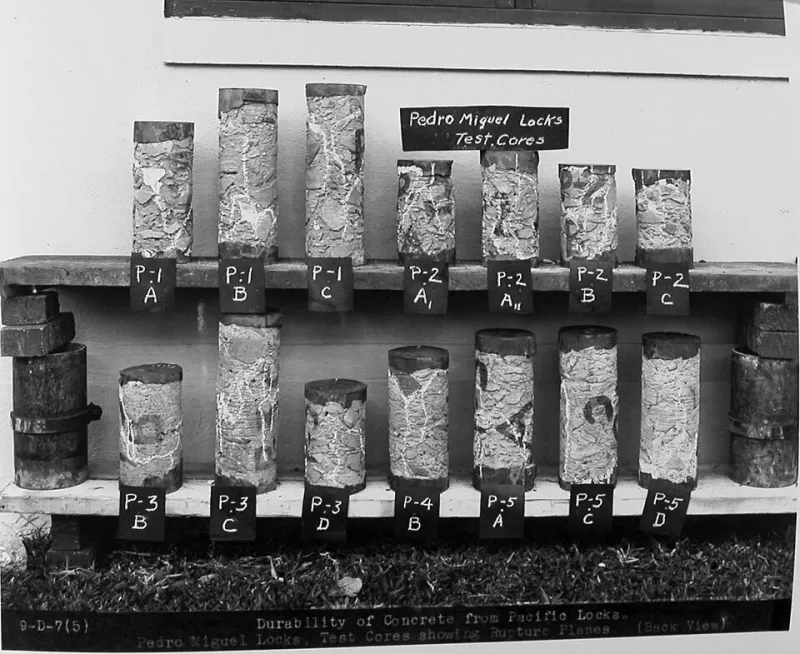
Crossing the Atlantic for Concrete: How Turkish Suppliers Are Reshaping American Construction Budgets
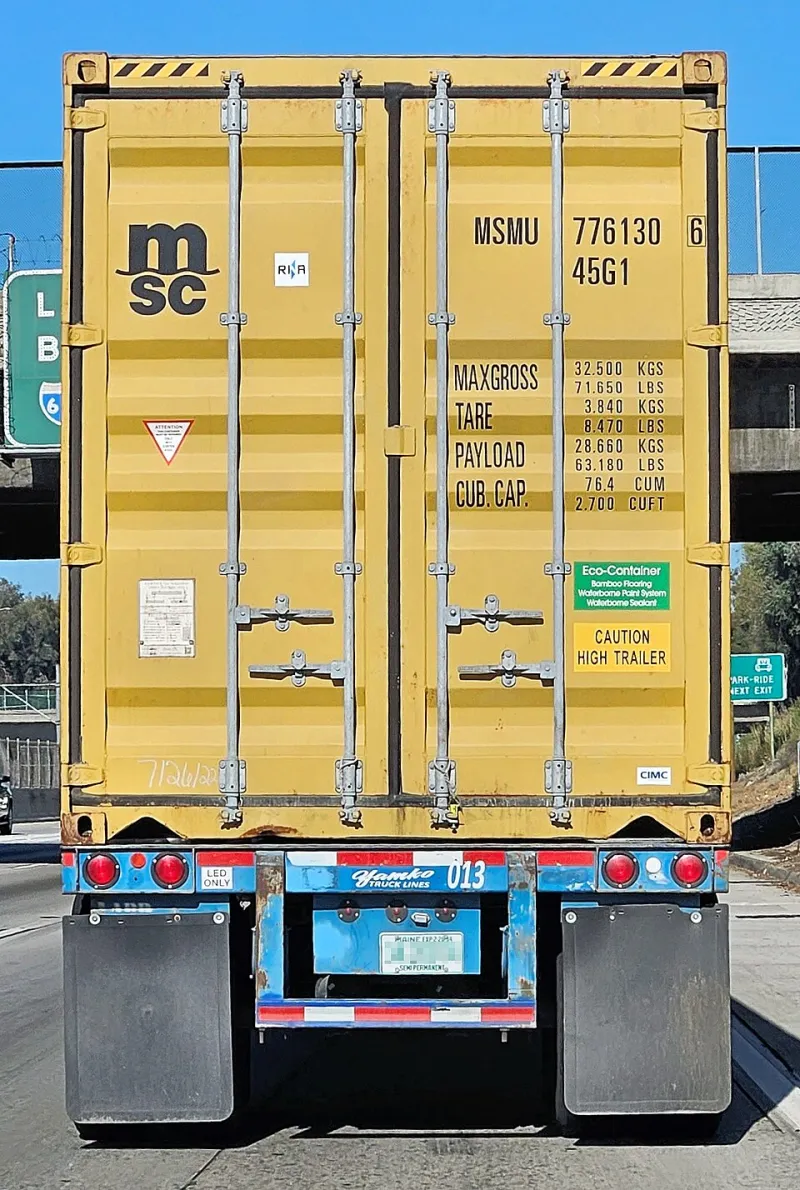
Photo: Eric Polk, CC BY-SA 4.0, via Wikimedia Commons
A Quiet Shift in American Construction Procurement
For decades, American contractors operated within a well-defined supply chain. Concrete materials were sourced domestically, priced according to regional markets, and evaluated against US-centric benchmarks. That model, while familiar, has grown increasingly expensive. Rising raw material costs, domestic labor pressures, and supply chain volatility following the pandemic years have pushed project managers to reconsider long-held assumptions about where premium concrete products come from.
Enter Turkish suppliers. Istanbul, in particular, has emerged as an unexpected but increasingly respected source of high-grade concrete materials for the North American market. Firms such as Istanbul Beton have spent years cultivating production standards that align with both European and international certification frameworks — a fact that is slowly becoming common knowledge among procurement officers at mid- to large-scale US construction firms.
The Cost Equation: Where the Savings Come From
Skepticism is understandable. Importing construction materials across the Atlantic might seem, at first glance, like an exercise in logistical complexity that would erase any price advantage. In practice, the arithmetic often tells a different story.
Turkish concrete manufacturers benefit from significantly lower energy costs in production, a well-developed domestic cement industry, and access to high-quality raw aggregates sourced from Anatolia's geologically rich terrain. Labor costs in Turkish manufacturing remain substantially below Western European and North American equivalents without the quality compromises that phrase might imply in other industries.
When these production efficiencies are translated into export pricing, US buyers frequently find that landed costs — including freight, customs duties, and port handling — still undercut equivalent domestic products by 15 to 25 percent. For large-scale projects involving significant concrete material volumes, that margin represents meaningful capital that can be redirected toward labor, finishing work, or contingency reserves.
Istanbul Beton, operating from one of the world's most strategically positioned cities at the crossroads of Europe and Asia, has developed export logistics specifically optimized for transatlantic delivery. Container routing through Mediterranean ports to East Coast US terminals has become a refined process, with lead times that experienced procurement teams can integrate into standard project scheduling.
Certification and Compliance: Meeting American Standards from Overseas
Perhaps the most critical question for any US contractor considering international material sourcing is straightforward: will it pass inspection? The answer, when dealing with properly certified Turkish suppliers, is increasingly yes.
Istanbul Beton's product lines are developed in alignment with EN 206, the European standard for concrete specification, performance, production, and conformity. This framework is widely recognized by international structural engineers and is broadly compatible with the performance requirements embedded in ACI 318, the American Concrete Institute's foundational building code document. While direct equivalence requires project-by-project engineering review, the technical gap between these standards is narrower than many domestic contractors initially assume.
Third-party testing documentation, material data sheets calibrated to US measurement conventions, and direct technical support from Istanbul Beton's engineering staff have become standard components of the procurement package offered to American clients. Several US-based structural engineers who have reviewed these materials report that the certification documentation is thorough and navigable within existing approval workflows.
Case Studies: American Projects, Turkish Materials
The evidence is not purely theoretical. A commercial warehouse development in the Mid-Atlantic region sourced specialty concrete admixtures through Istanbul Beton for a foundation system requiring enhanced sulfate resistance. The project engineer noted that the Turkish-supplied materials met specification requirements while coming in under the budget allocated for domestic alternatives — a margin that helped offset unexpected site preparation costs.
In the Pacific Northwest, a civil infrastructure contractor working on a retaining wall system incorporated Turkish-produced concrete reinforcement components into a project where domestic supply timelines had become unreliable. The Istanbul Beton shipment arrived within the projected window, and the materials performed to specification through the first Pacific winter season without incident.
These examples are not anomalies. They reflect a broader pattern of US construction professionals discovering that international sourcing, approached methodically and with the right supplier partner, is a viable and financially sound strategy.
Navigating the Logistics: What Contractors Need to Know
Successful international procurement requires planning that differs from domestic purchasing in several important ways. Lead times are longer, typically ranging from six to ten weeks from order confirmation to site delivery depending on shipping routes and port conditions. This reality demands that project managers integrate material sourcing into scheduling earlier than they might for domestic orders.
Customs classification and import duty structures for construction materials are stable and well-understood for experienced importers. Istanbul Beton's export team works with established freight forwarders who specialize in transatlantic construction material shipments, providing US clients with documentation packages that facilitate smooth customs clearance.
Communication across time zones requires adjustment, but Istanbul Beton maintains client service protocols designed to accommodate US business hours, ensuring that technical inquiries and order status updates do not create operational delays for American project teams.
The Broader Picture: A New Sourcing Paradigm
The trend of American contractors looking to Turkish suppliers is not a temporary arbitrage opportunity. It reflects a structural evolution in how global construction supply chains are organized. As US builders grow more comfortable with international procurement and as Turkish manufacturers continue refining their export capabilities, the relationship between Istanbul's concrete industry and the American construction market is likely to deepen.
Istanbul Beton occupies a deliberate position within this evolving landscape — serving as a bridge between European-grade manufacturing standards and the practical demands of US construction professionals. The value proposition is grounded in verifiable data: comparable or superior material performance, meaningful cost advantages, and a logistics framework that experienced teams can manage effectively.
For contractors who have not yet explored international concrete sourcing, the question is no longer whether it is feasible. The question is how much longer waiting to investigate it will cost them.